





What’s the Best Laser Treatment for Sun Damage?
Living in sunny Arizona has its perks, but it can take a toll on your skin. If you've noticed sun spots, uneven skin tone, or other signs of sun damage, you're not alone—and you're not …
Advanced Plastic Surgery Institute
1981 E. Bonanza Ct. Suite 102
Gilbert, AZ 85297
Phone: (480) 466-7355
Monday-Thursday: 9 a.m.–5 p.m.
Friday: 9 a.m.–3 p.m.
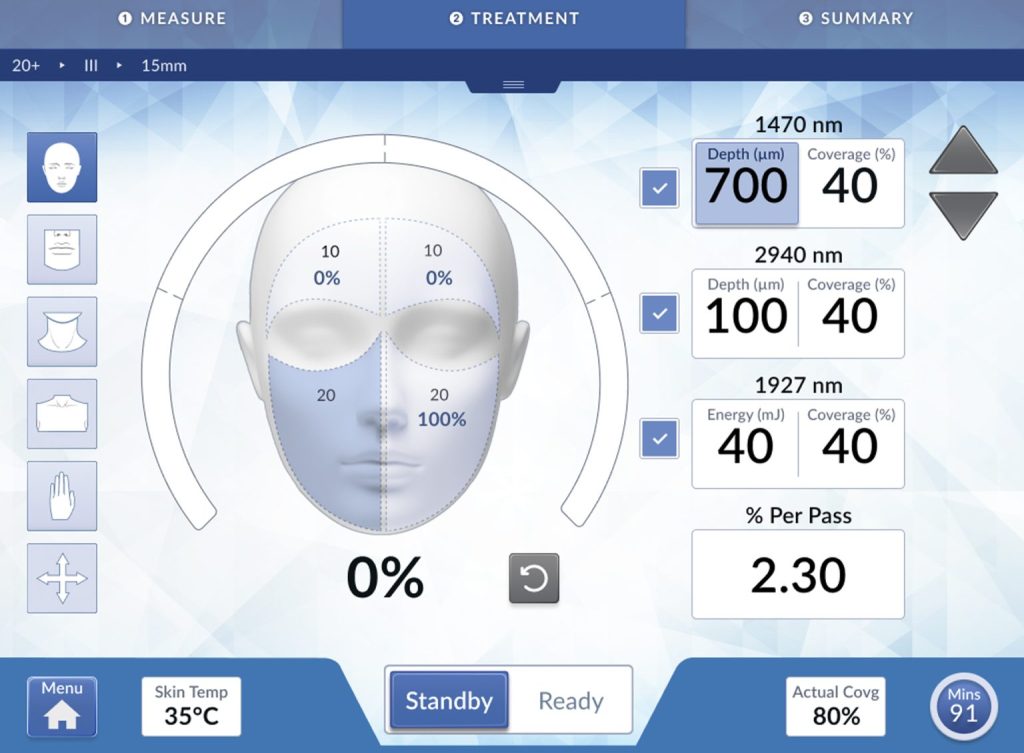
HALO TRIBRID is the next evolution of HALO laser technology, building upon the proven hybrid fractional approach to deliver even more customizable skin rejuvenation. Like traditional HALO, it combines ablative and non-ablative laser wavelengths to address concerns on the skin’s surface and in deeper underlying tissues. In addition to continuing to offer traditional HALO treatments, our introduction of HALO TRIBRID expands on this foundation with enhanced precision and versatility.
Unlike other laser skin resurfacing treatments, HALO TRIBRID technology integrates 3 independently controlled wavelengths into a single treatment. This triple-wavelength approach targets multiple layers of the skin in one session, improving texture, correcting pigmentation, and enhancing overall skin quality with exceptional precision. By combining these technologies into one customizable treatment, HALO TRIBRID delivers more comprehensive results while still allowing us to tailor the intensity and downtime to your individual goals.

An ablative laser removes the surface layers of damaged skin. The skin’s healing process kicks into high gear to repair these controlled wounds, revealing more radiant and youthful-looking skin. A fractional ablative laser makes thousands of pinpoint injuries to the skin’s surface, leaving untreated skin undamaged—this requires less downtime than a fully non-fractional ablative laser. Still, fractional ablative laser treatments often require a week or more of downtime as the skin will be red and swollen and then itch and peel.
Non-ablative lasers bypass the skin’s surface and deliver thermal energy directly to the underlying tissue with precision. By heating the deeper layers of skin—called the dermis—a non-ablative laser increases the production of collagen and elastin. These are the essential building blocks of tighter, smoother skin. Because the skin’s surface remains intact, these treatments require less downtime.
If you’re new to laser skin treatments and want a gentle “beginner” procedure, the Clear + Brilliant® laser may be a good alternative.
HALO’s versatility is among the reasons it is such a popular laser treatment. It is one of the most effective procedures for minimizing the appearance of age-related lines and wrinkles, but it can address a wide range of skin concerns. These include:
HALO is appropriate for patients of all skin types and complexions because it uses technology that scans and targets imperfections deep within the epidermis—even imperfections that would not be visible to the naked eye.


Keep in mind that each patient is unique and your results may vary.
This loyalty program is designed to fulfill your skincare needs and provide a full regimen that will keep you looking your best.
Explore Memberships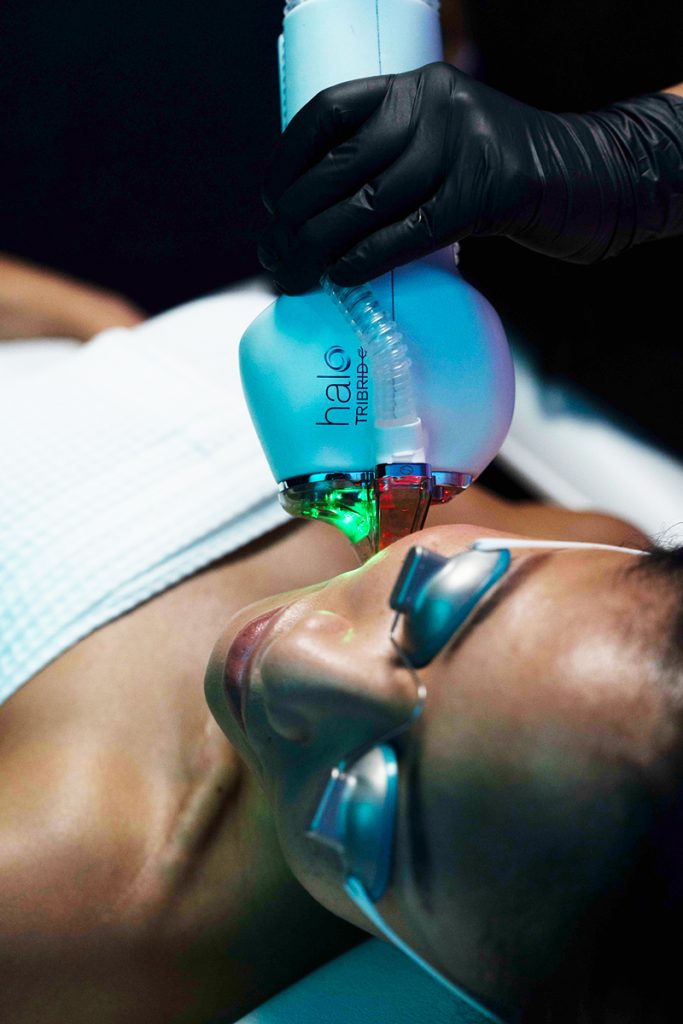
When Dr. Josh Olson, Dr. Jacob Marks, or an esthetician consult with patients, they assess the skin’s texture and complexion and discuss the patient’s concerns and goals for their results. A fully customized treatment plan is developed based on the consultation. That plan may include combining Halo with other skin rejuvenation treatments, such as BBL® Hero®. You can also ask about microneedling treatments offered at our med spa as an alternative to laser skin resurfacing.
At your HALO laser appointment, a provider applies a topical anesthetic that may take 30 minutes to numb the skin. After you’re fitted with protective eyewear, the provider moves the HALO handpiece across the skin, delivering both ablative and non-ablative wavelengths at the same time. Patients typically feel heat and a prickly sensation. The Halo device cools the skin during the procedure to minimize discomfort.
The HALO treatment typically takes 20 to 60 minutes, depending on the size of the treatment area. Once the treatment is finished, we’ll apply a protective moisturizer to the treatment area.
Keep in mind that each patient is unique and your results may vary.
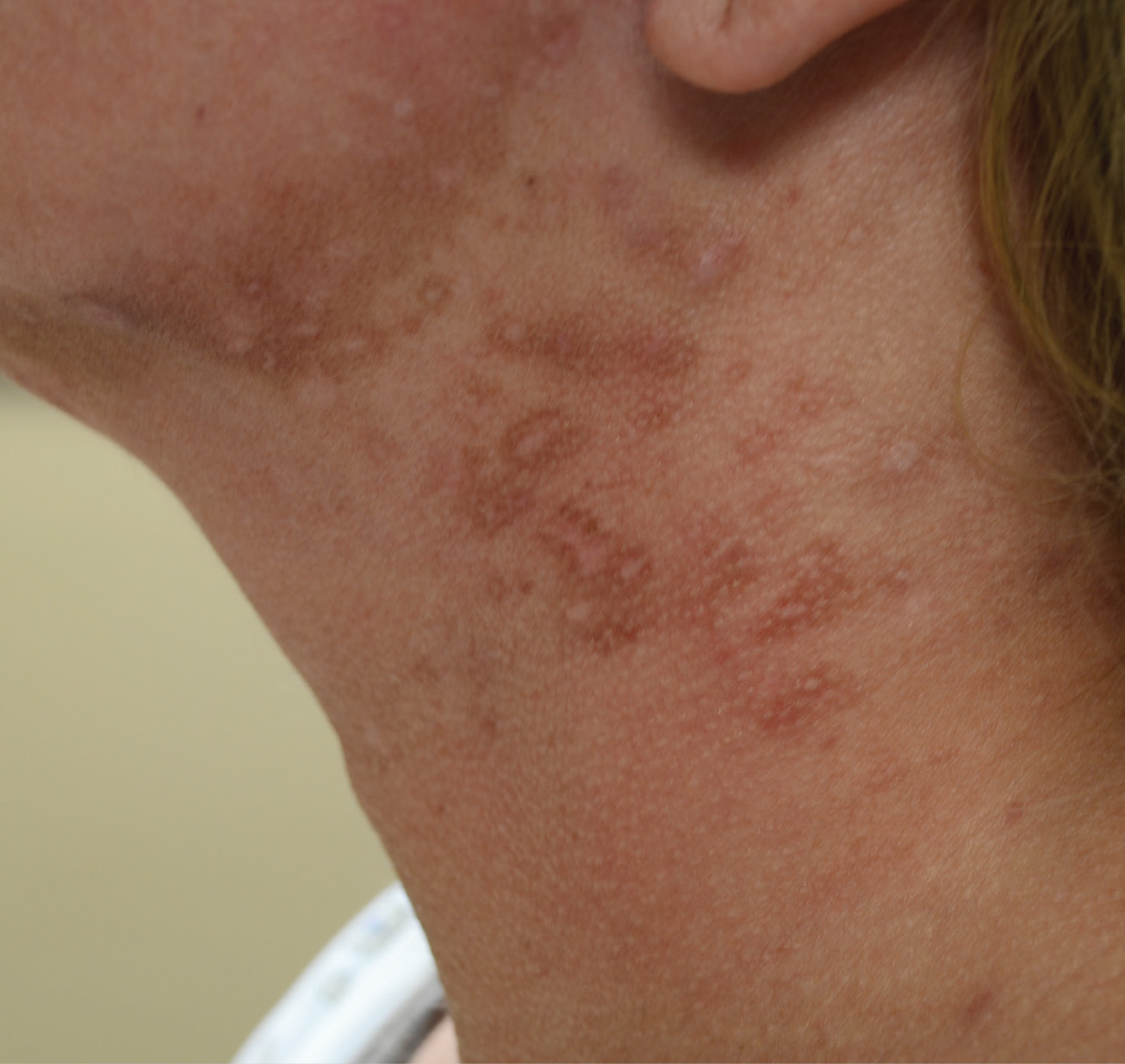
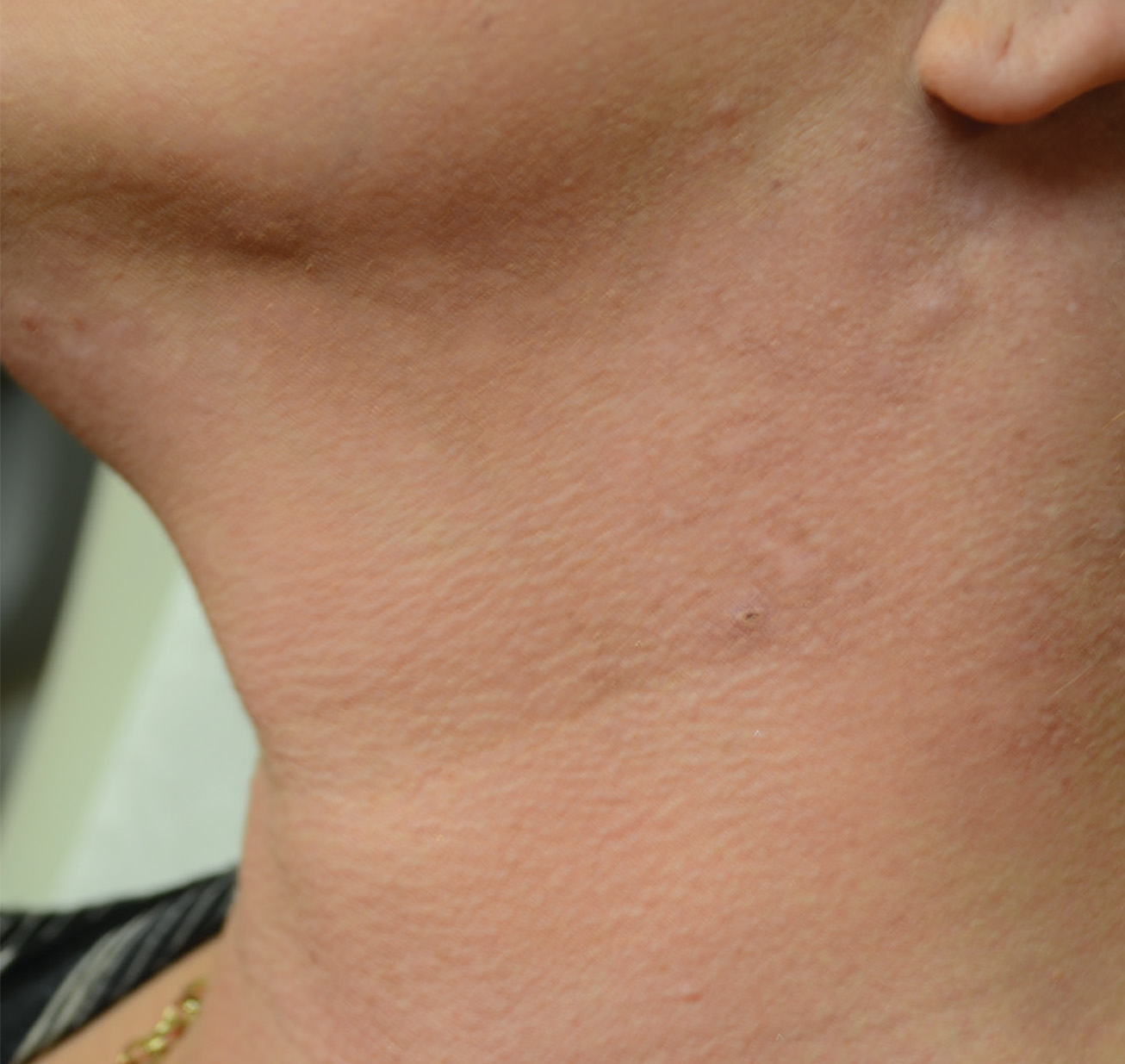
Results shown 4 months after 1 treatment
Photos courtesy of Sciton
Because the treatment is customized for each patient, the healing time after a HALO laser procedure can be a couple of days or a full week or more. It depends on the treatment’s intensity and the skin’s reaction.
Your skin will continue to feel warm during the initial few hours after the treatment. We recommend applying ice packs to help soothe the skin.
In the days following the procedure, expect to see:
These symptoms usually peak in 2 to 3 days and subside within a week. You’ll also have some swelling, which is a good sign that the treatment is working. Avoid sun exposure during recovery, as the skin will be extremely sensitive to the sun’s rays.
Because HALO TRIBRID treatments are highly customizable, we can tailor the intensity of your treatment to align with your desired downtime and goals.

Explore our med spa services and find your perfect treatment with our interactive treatment planner. From dermal fillers to laser skin rejuvenation, this useful tool will guide you through your options and help you choose the perfect treatment for your aesthetic goals.
Plan My Treatment
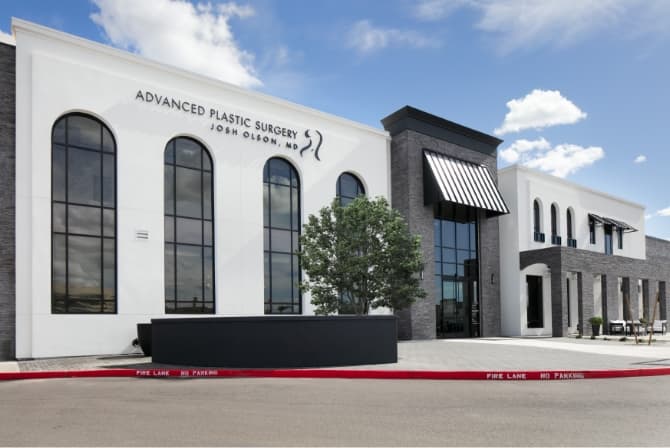
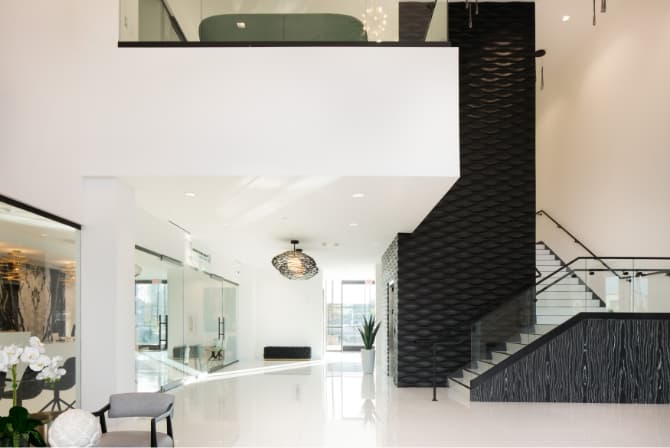
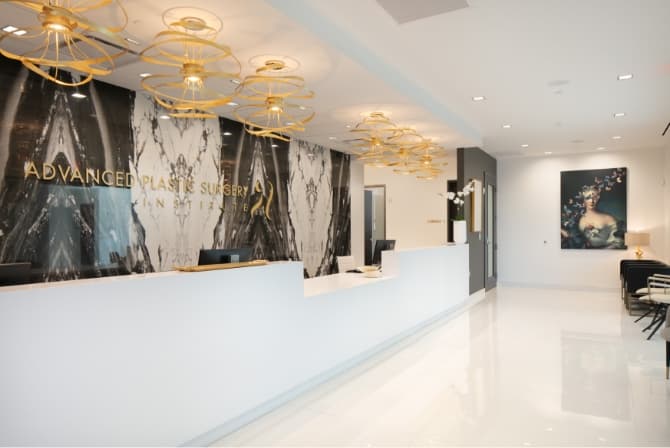

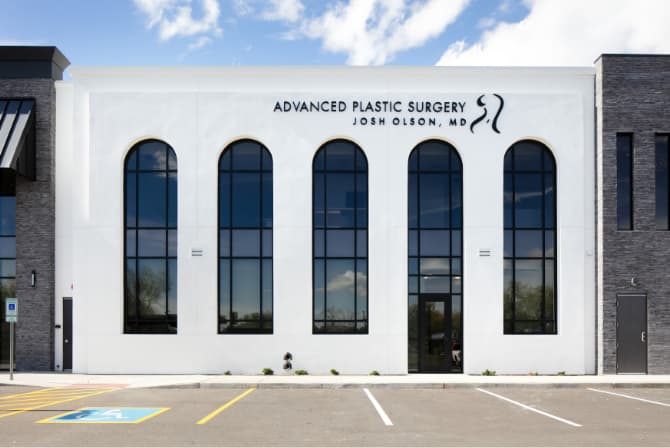


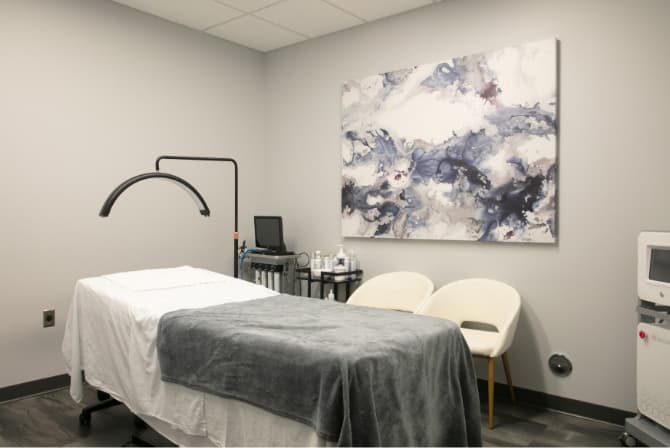
Board-certified plastic surgeon Dr. Josh Olson established The Advanced Skin Lounge med spa to offer nonsurgical treatments, including HALO TRIBRID and traditional HALO laser skin resurfacing, to patients from Phoenix, Scottsdale, and Chandler, AZ. You can request a consultation using the online form or call us at (480) 466-7355 to schedule an appointment.
Living in sunny Arizona has its perks, but it can take a toll on your skin. If you've noticed sun spots, uneven skin tone, or other signs of sun damage, you're not alone—and you're not …
Frustrated by sun damage or signs of aging? Are you longing for the smooth, youthful glow you once had? You're not alone. The good news is you don't have to settle for dull, wrinkled, aged-looking …

Summer in Arizona brings plenty of sunshine, but the relentless rays can accelerate aging and wreak havoc on your complexion. The Advanced Plastic Surgery Institute offers top-tier laser and light treatments, such as MOXI and …
Reviewed for clinical accuracy by Dr. Josh Olson on September 4th, 2026.